


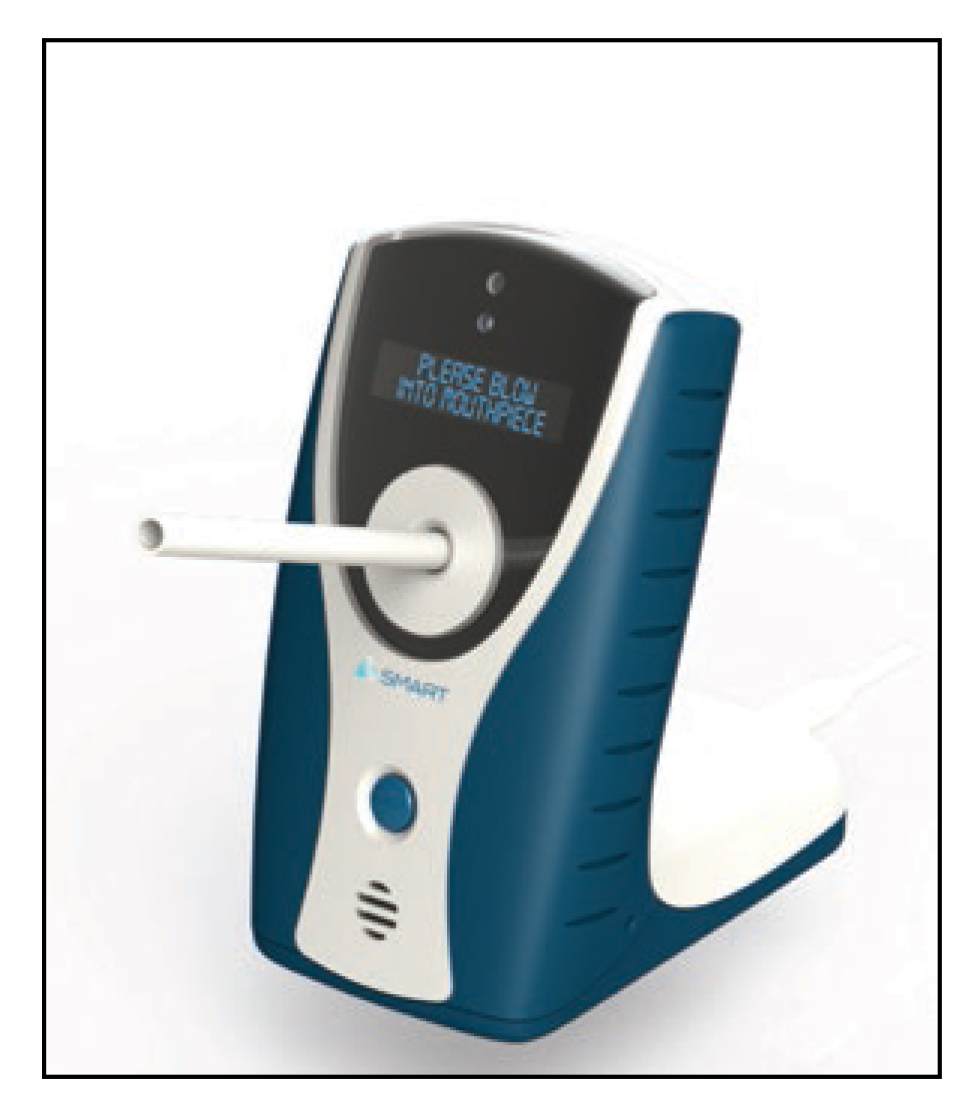
Development of 2-Butanol-Based Softgel SMART® Adherence System by McGuffy, Irena; Bacola, Lucia; Fulper, David; Kiyali, Didier; Dennis, Donn; Kaul, Poonam
Posted on April 15, 2015
ABSTRACT
Purpose
The goal of this collaborative project was to develop a small, stable softgel capsule containing an adherence marker that could be coencapsulated with a broad range of study medications to definitively monitor adherence using the breath-based SMART® Adherence System.
Methods
Target product profile included a small, robust and long-term stable dosage form that utilizes GRAS or IIG-listed excipients, can be overencapsulated into hard gelatin capsules, and provides fast release in the stomach. The adherence marker 2-butanol was incorporated into softgels by combining it with softgel-compatible excipients. The challenges associated with 2-butanol encapsulation include low flash point, high volatility, low viscosity, and potential for loss through evaporation during and after manufacturing. Excipients were selected for evaluation. Methods used included flash point testing, dispersion, fill robustness studies, disintegration, mixing/encapsulation, and accelerated stability testing.
RESULTS
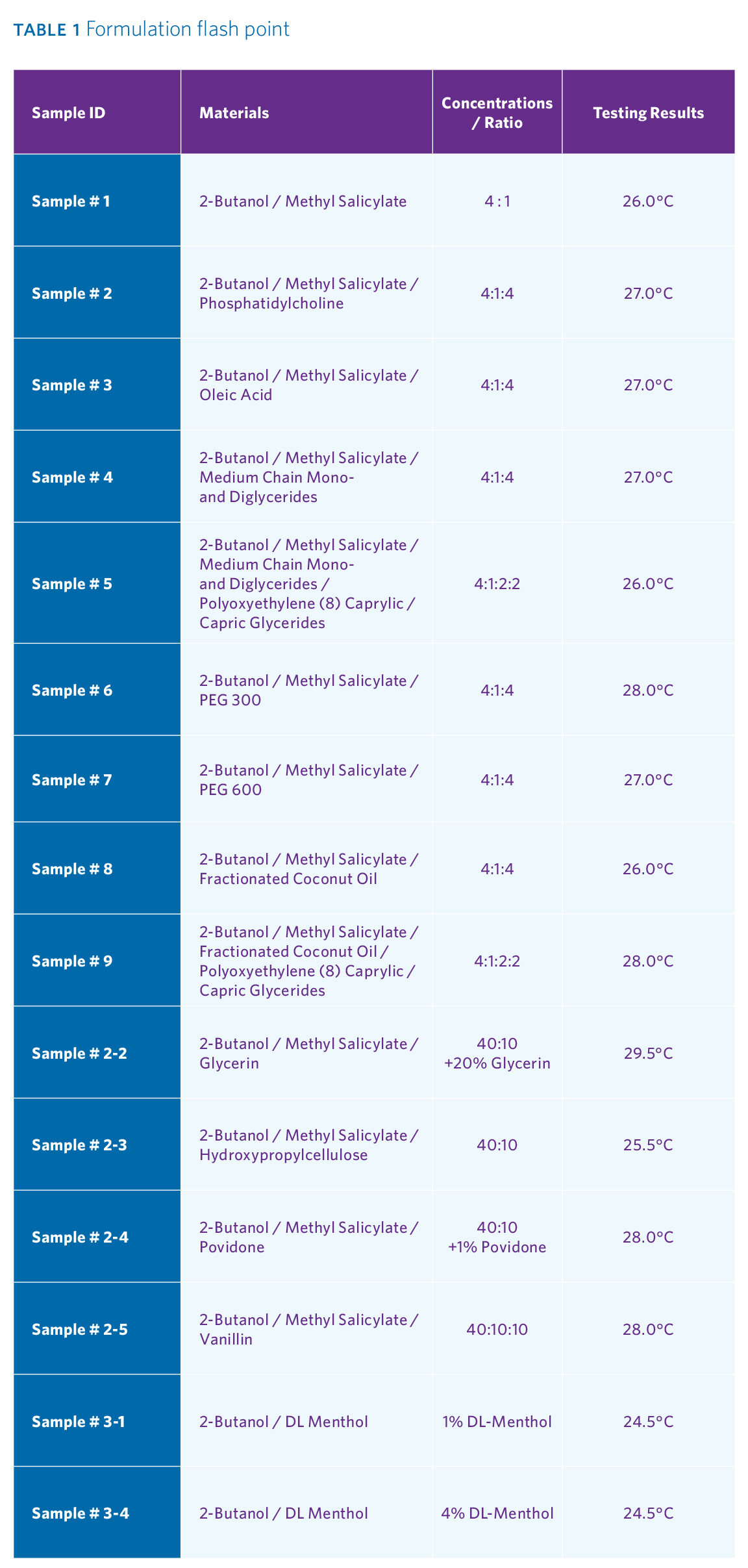
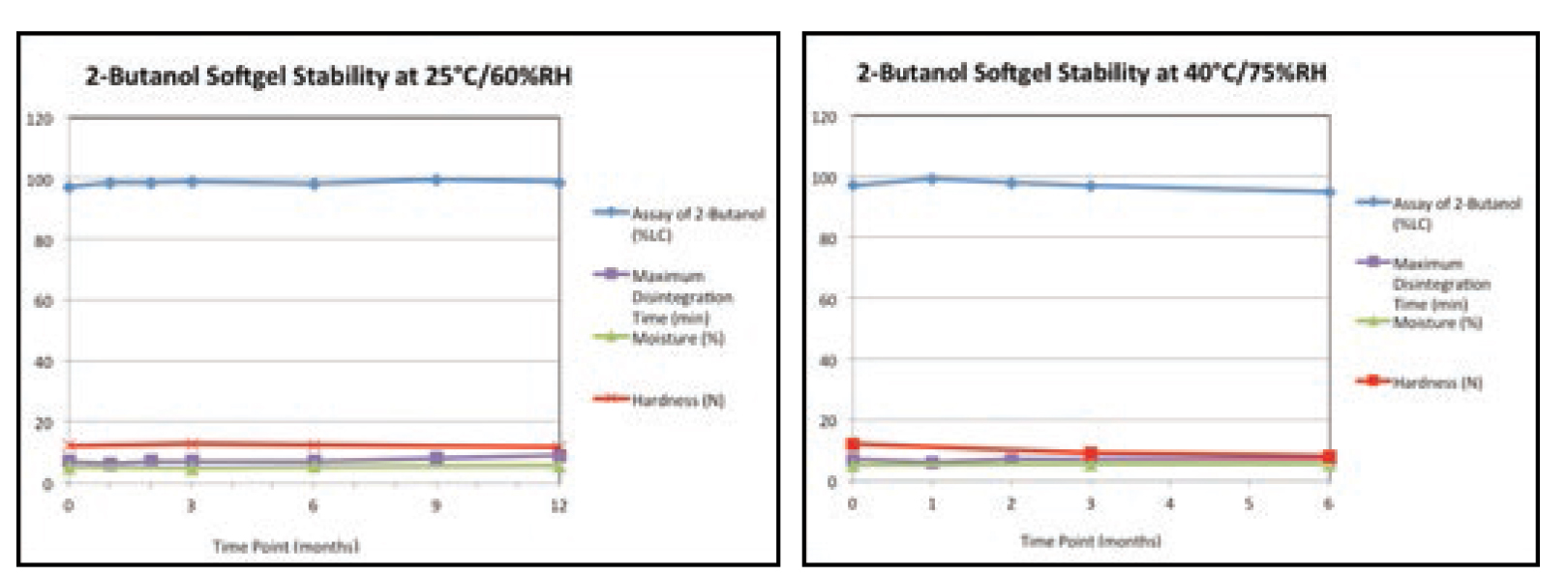
Excipients had minimal effect on 2-butanol flashpoint (see Table 1). PEG 400/DL-menthol/vanillin was selected as the matrix for labscale encapsulation based on dispersion studies (superior dispersion properties compared with other prototypes) and formulation robustness studies. Initial prototype stability testing at 40°C/75%RH resulted in darkening of the shell, slight increase in disintegration time (up to ~15 min), and decrease in hardness (from ~12N to ~4N, expected for accelerated condition). Process development included ribbon thickness optimization (0.030” to 0.020”) to allow for rapid release and prevent excessive 2-butanol loss. Polyvinyl alcohol and
methacrylate-based film coating did not prevent 2-butanol loss and increased shell disintegration times by 2 – 4 times (from 2-4 min to 8-14 min). A GMP batch has been manufactured successfully and demonstrated stability over 6 months under accelerated conditions. This GMP batch was used in clinical studies for validation of the SMART® Adherence System.

CONCLUSION
Development of a 2-butanol-based softgel SMART® Adherence System was made possible through careful selection of the fill excipients that result in rapid dispersion of the fill formulation, softgel capsule features that enable rapid release of 2-butanol, and optimization of shell thickness that allows both successful encapsulation and rapid dissolution after product ingestion.
For more information please visit
http://bioprocess.gelifesciences.com/
Related Topics and Keywords
adherence marker, Adherence System, breath-based SMART®, Butanol-Based, Catalent, David; Kiyali, Dennis, Didier, Donn, Fulper, GRAS, Irena Bacola, Kaul, Lucia, McGuffy, monitor adherence, Poonam, small, SMART adherence system, Softgel, stable softgel capsule, study medications
Subscribe to our FREE newsletter and WEBINAR UPDATES
We will not sell or give your information to a third party. See our Privacy Policy