A platform approach for the purification of domain antibodies (Dabs)
Posted on May 9, 2014
This Application note describes a three-step purification process of a domain antibody (Dab) expressed in the periplasm of E. coli. First, a capture step using Capto™ L was used to reduce E. coli host cell proteins (ECP) and endotoxin levels. Next, a polishing step using Capto MMC ImpRes further reduced ECP and endotoxin levels at yields of > 86%. Finally, Capto adhere ImpRes was run in flowthrough mode to render product with undetectable endotoxin levels and ECP content of < 10 ppm. All purification steps were optimised by Design of Experiments (DoE), thereby supporting a Quality by Design (QbD) approach. Using Capto L, Capto MMC ImpRes, and Capto adhere ImpRes media in the three step process resulted in efficient removal of the main contaminants and strong yields (> 80%) over the entire process. This platform approach, based on a capture step with Capto L, enables increased efficiency and productivity in developing therapeutics based on Dabs.
Introduction
Following on the success of monoclonal antibodies (MAbs), antibody fragments (e.g., Fab, scFv, Dab, etc.) are an increasingly important class of protein-based biotherapeutics. One of the advantages is that due to their structure and smaller size, antibody fragments possess advantageous properties (e.g., easier tissue penetration) that suit a range of diagnostic and therapeutic applications. The industry standard for purifying MAbs is a platform approach using affinity chromatography with protein A as the capture step. The high purification factor and generic conditions associated with this approach have proven particularly attractive to biopharmaceutical manufacturers.

Fig 1. The protein L ligand in Capto L binds to the variable region of an antibody’s kappa light chain without interfering with its antigen-binding site.
Domain antibodies, however, have previously lacked such a platform solution and in this Application note we describe a three-step platform approach using Capto L in the capture step. With the introduction of Capto L (Figure 1), the first industrial platform for the purification of antibody fragments is now emerging. With its recombinant protein L ligand, Capto L is a BioProcess™ chromatography medium (resin) with a broad range affinity for antibody fragments of different sizes containing kappa light chains (1).
Dab characteristics and methodology
Capto chromatography media were used in a purification process of a kappa subclass Dab expressed in E. coli. Table 1 shows the properties of the Dab.

During the set-up of the three-step process, a general workflow was used with the purpose of minimising the development time. The workflow included:
1. Screening of conditions in PreDictor™ plates (employing a High-throughput Process Development [HTPD] strategy)
2. Capacity studies
3. Elution studies
4. Design of Experiments (DoE).
The DoE studies were of a Central Composite Circumscribed (CCC) design, using a star distance of 1.20 to 1.25 (Fig 3). In this application note only the results of the DoE and verification are described.

Fig 3. The optimisation studies used a Central Composite Circumscribed (CCC) design. The star distance was 1.2 to 1.25 throughout the studies.
Harvest of Dab
After heat treatment (47°C for 3 h) of the bacterial suspension, harvest was performed by microfiltration using a hollow fiber filter (GE Healthcare Life Sciences) with a pore size of 0.2 μm. The permeate was collected and used as sample in all of the experiments below.
Optimisation of Dab capture with Capto L and DoE
In the capture step, load (10 to 14 g/L), wash pH (5 to 9), and NaCl content (100 to 800 mM) in the wash solution were studied with DoE. A 1 mL HiTrap™ Protein L column was used to capture, wash, and elute the Dab. All runs were performed on pre-equilibrated columns on an ÄKTAexplorer™ 100 system equipped with a fraction collector. No statistical model was found for the yield, thereby indicating robustness for this response. All yield values were > 92%. For the ECP (measured using antibodies from Cygnus
Technologies) the model showed the lowest ECP content at high NaCl concentration and at a high or low pH (Fig 4).
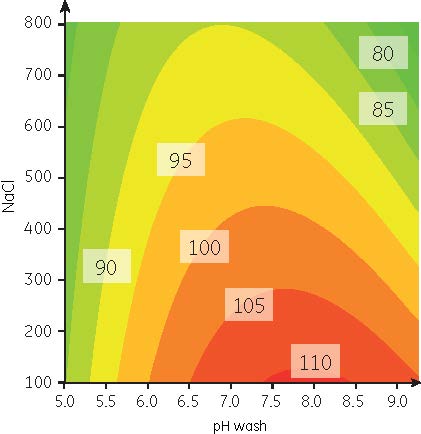
Fig 4. Contour plot of the response ECP. Plotted values are in ppm. The start value was 204 000 ppm.
To simulate a process in silico and to find robust conditions, a Monte Carlo simulation was performed. Figure 5 shows the results of the simulation with the criterion of reducing the ECP content below 110 ppm. Two robust experimental regions for ECP reduction were found, with best results at either high or low pH and at high NaCl content. The lower pH region is regarded as optimal due to the wider experimental space available.

Fig 5. Monte Carlo simulation of ECP content (100 000 experiments in silico). The criterion was ECP < 110 ppm and the contour levels are risk of failure expressed in percentage. The green areas represent a risk of failure < 0.1%.
First polishing step with Capto MMC ImpRes
For the first polishing step, Capto MMC ImpRes (a multimodal, salt-tolerant medium) was chosen due to its tolerance to wide experimental conditions and its ability to efficiently reduce ECP (previous HTPD work, data not shown). The experiments were performed in 1 mL Tricorn™ 5/50 columns with the elution pool from a Capto L capture step. First, DBC at 10% breakthrough was determined to be relatively stable (ranging from 33.4 to 35.6 g/L at 4 min residence time) between pH 5 to 6. A DoE was then set up including pH (5 to 6), NaCl concentration in the gradient (450 to 550 mM), and load (18 to 22 g/L) as relevant factors. Contour plots for yield and ECP are shown in Figures 6 and 7, respectively. For ECP a single plot is shown as only one factor remained as significant (pH). The start ECP content of 164 ppm could be reduced to below 50 ppm.
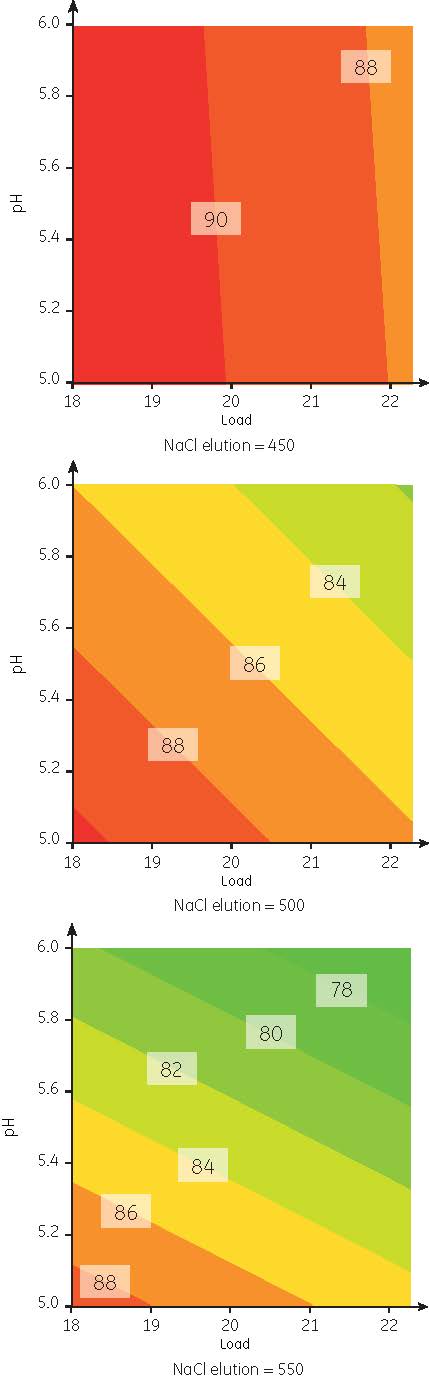
Fig 6. Contour plots for the response yield at 450, 500, and 550 mM NaCl. The yield is expressed in percentage.
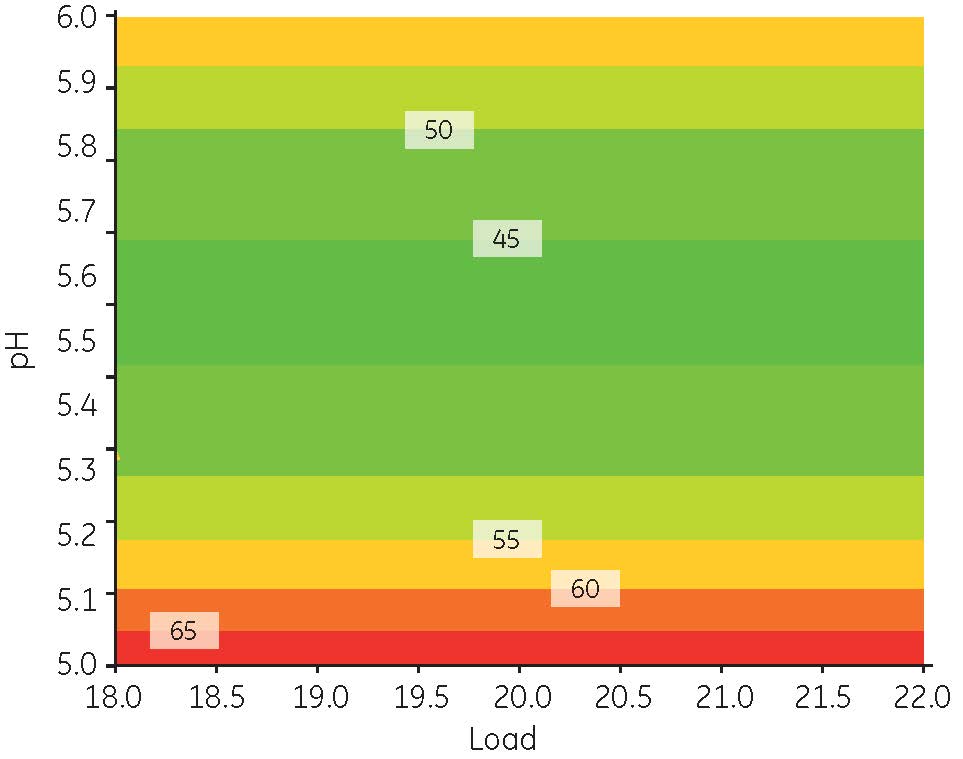
Fig 7. Contour plot for the response ECP (at any NaCl concentration). The ECP values are expressed in ppm.
A Monte Carlo simulation (Fig 8) at 450 mM NaCl concentration (where highest yield occurred) demonstrated that it was necessary to sacrifice yield in order to obtain a robust experimental space for ECP reduction. Using criteria of ECP < 175 ppm and yield > 83%, a robust area (with risk of failure < 0.1%) was found within a pH interval of 5.3 to 5.6 and a load of 18 to 20 g/L (Fig 8).
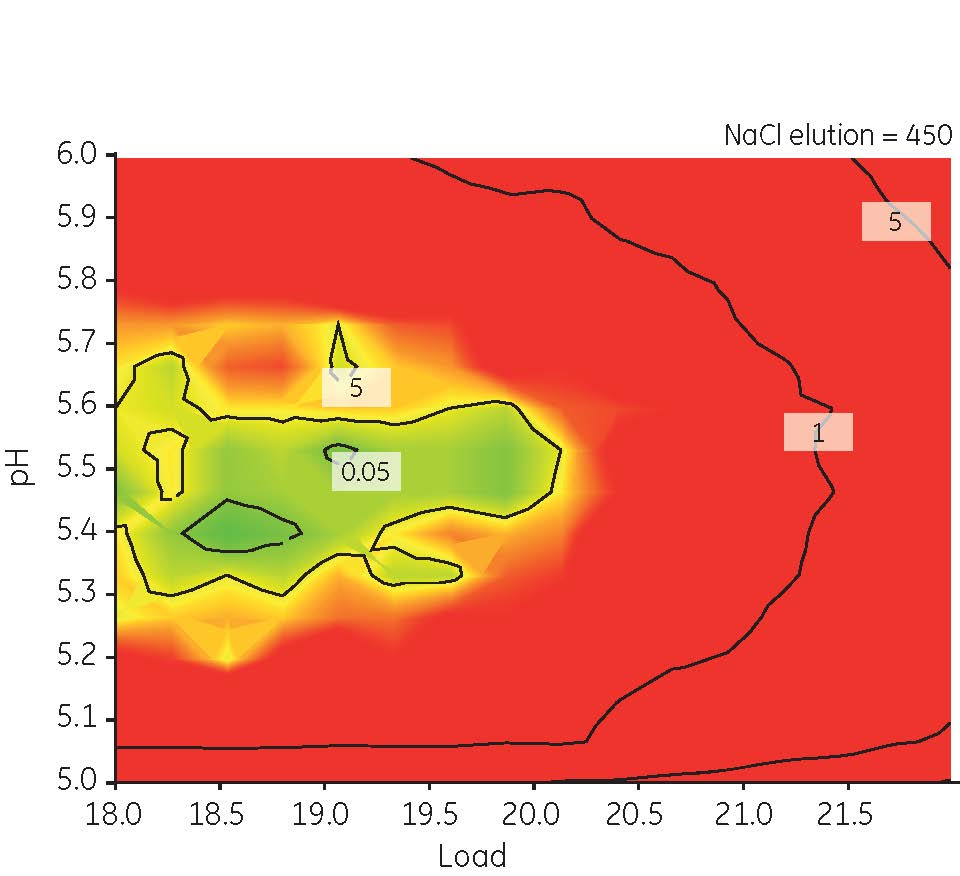
Fig 8. Monte Carlo simulation of yield and ECP content. The green surface shows the area where yield is > 83% and where ECP content is < 75 ppm. 100 000 experiments were performed in silico.
As the elution pool after Capto MMC ImpRes contained an unknown yellow/brown impurity, an isocratic wash study with NaCl was performed (Fig 9). The NaCl concentrations were 0, 100 and 125 mM. Increasing NaCl concentration slightly reduced yield (from approximately 97% to 90%) while simultaneously significantly decreasing ECP content (from 232 to 47 ppm) and the amount of impurity (monitored by absorbance at 400 nm). A NaCl concentration of 100 mM was chosen in the isocratic wash to ascertain an acceptable yield.
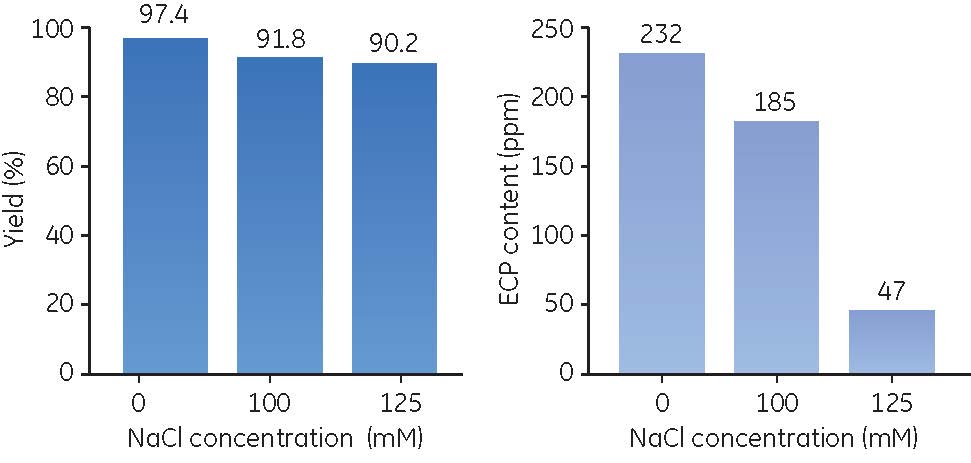
Fig 9. Yield (left) and ECP content (right) in the elution pool after washing with NaCl.
Polishing with Capto adhere ImpRes
For the final purification step Capto adhere ImpRes, a multimodal anion exchanger, was used in the process to further reduce contaminant levels. Capto adhere ImpRes is an excellent choice for use in flowthrough mode for proteins with a high isoelectric point, such as this Dab. In this study pH (7.4 to 8.8), NaCl concentration in the sample (10 to 90 mM) and load (80 to 120 mg/mL) were studied. Dab concentration was included as an uncontrolled factor.
Figure 10 shows the sweet spot plots for yield and ECP reduction. This analysis showed that the widest operating space was found at low NaCl concentration (10 mM) and low sample concentration (6.1 g/L).
Further analysis using a Monte Carlo simulation was carried out, at the lowest NaCl and sample concentrations, to better define the desired operating space. Relative to the sweet spot analysis, somewhat lower acceptance criteria were used (yield > 88%; ECP reduction factor > 1.2). Figure 11 shows the simulation results. A robust operating space of (roughly) pH 8.0 to 8.6 and load of 80 to 120 g/L was found.
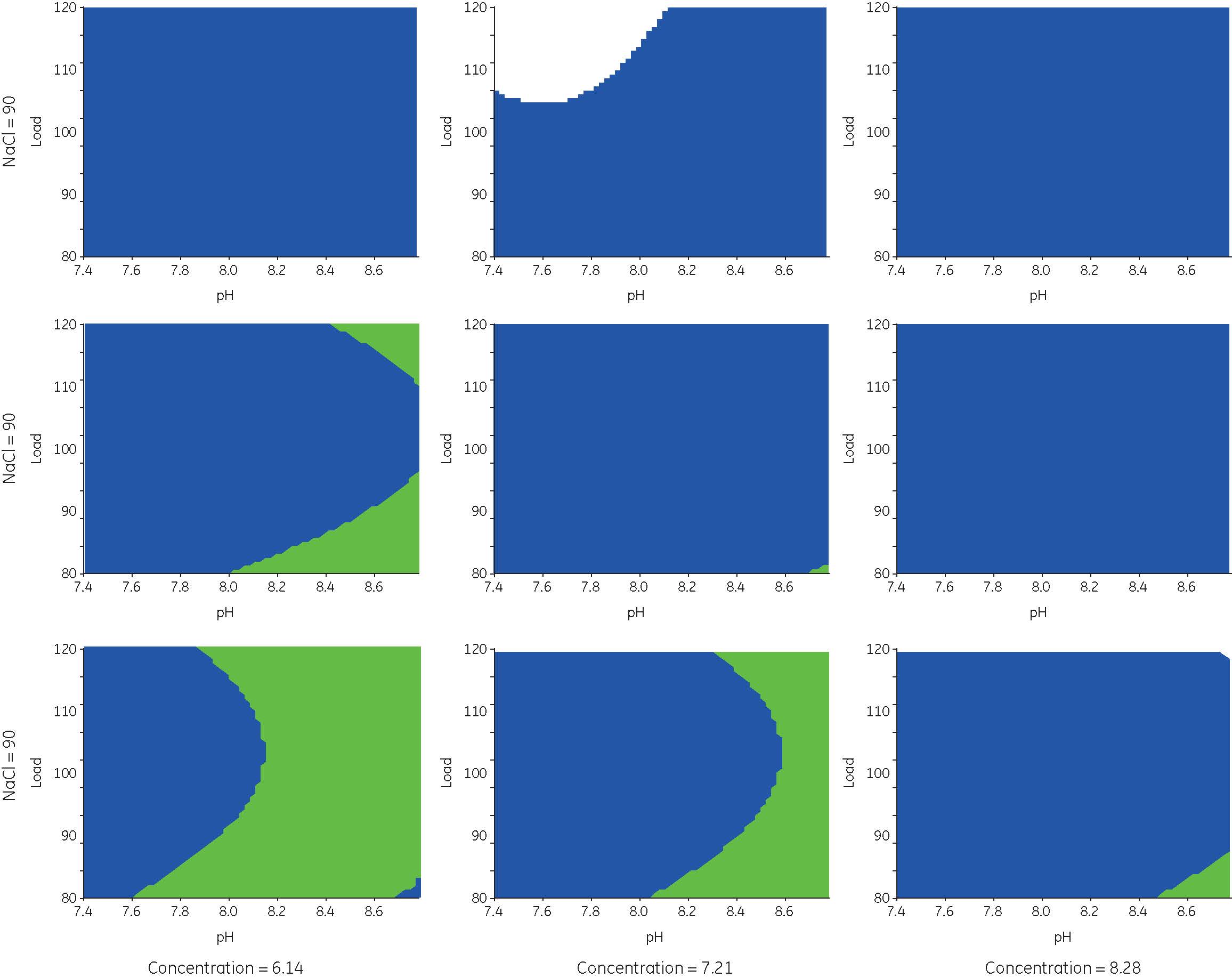
Fig 10. Sweet spot analysis plots for yield and ECP reduction. The criteria were yield > 90% and ECP reduction factor > 1.4. The green areas represent the Sweet spot (i.e., where both criteria were fulfilled), the blue and white areas represent where one or none of the criteria were fulfilled respectively.

Fig 11. Monte Carlo simulation of yield and ECP reduction in the Capto adhere ImpRes step at a sample concentration of approximately 6.1 g/L. The criteria were yield > 88% and ECP reduction factor > 1.2. The risk of failure limit was 0.1% (green surface). 100 000 experiments were performed in silico.
Process verification
The three-step process was verified by running each step within the robust area found in the Monte Carlo simulations. Yield, ECP, Protein L leakage, and endotoxin content were monitored.
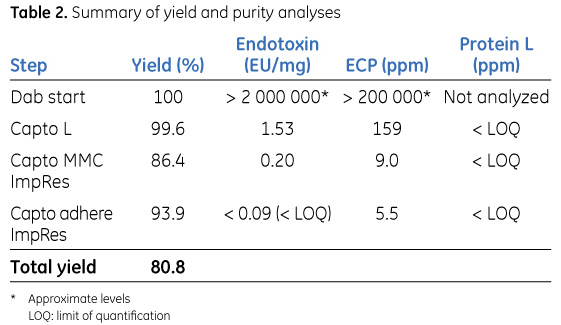
Results of the verification analyses are summarised in Figure 12 and Table 2. The total process yield was ~81% while ECP and endotoxin reductions both showed excellent results and protein L leakage was below the limit of quantification (LOQ). Yellow-brown impurities in the start samples were effectively removed by the two multimodal media (Capto MMC ImpRes and Capto adhere ImpRes).
Two further analyses were performed to verify the above results. SDS-PAGE analysis showed a single band at the expected molecular weight for the final product (data not shown). Finally, liquid chromatography-mass spectrometry was carried out and one major peak with the correct molecular weight was found.
Summary
A three-step purification process for a Dab was successfully developed and verified. The step yield ranged between 86% and 99%, giving a total process yield of approximately 81%. The ECP in the start sample was more than 200 000 ppm whereas the final sample contained only 5.5 ppm. The endotoxin content in the feed was approximately 2 million endotoxin units/mg of protein and the final sample was below the limit of quantification. Protein L leakage was undetectable in all samples.
Market trends forecast an increased effort in developing therapeutics based on antibody fragments. GE Healthcare Life Sciences has developed Capto L and other chromatography media to enable a platform approach to the purification of antibody fragments. Previous studies using Capto L media verified a platform approach for the purification of Fabs (2). The current study has confirmed a similar, successful approach for the purification of Dabs. A three-step Dab process using Capto chromatography media showed effective removal of the main contaminants and high yields over the entire process. Together with earlier results (2), this Application note shows that the smallest (Dab) and largest (Fab) molecules within the antibody fragment family can be
successfully purified with a Capto L based platform process.
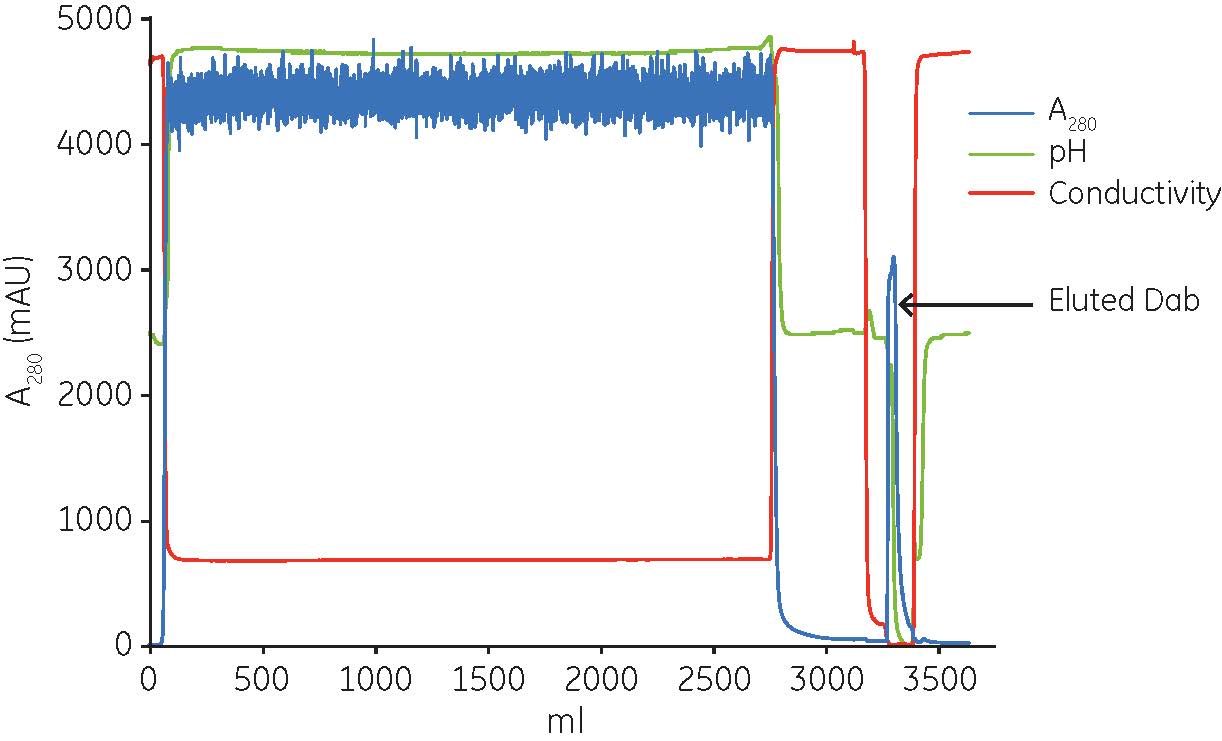
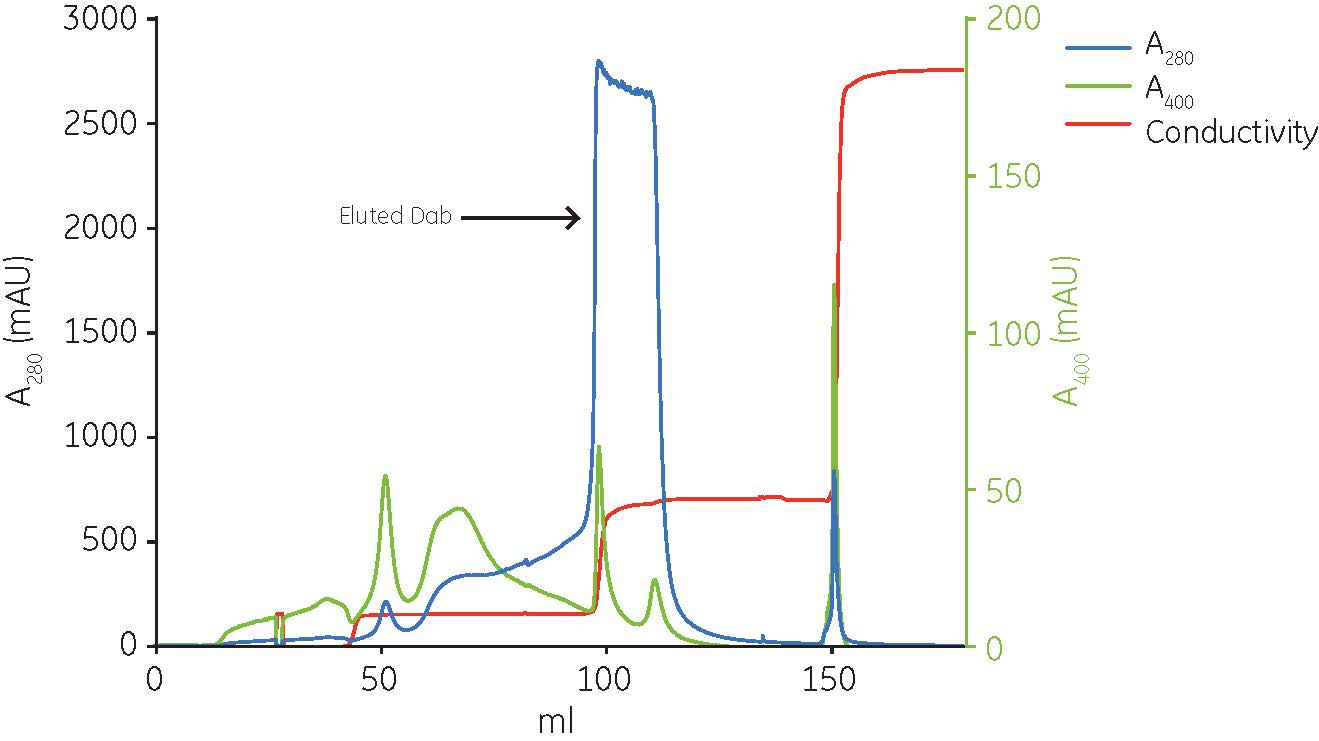
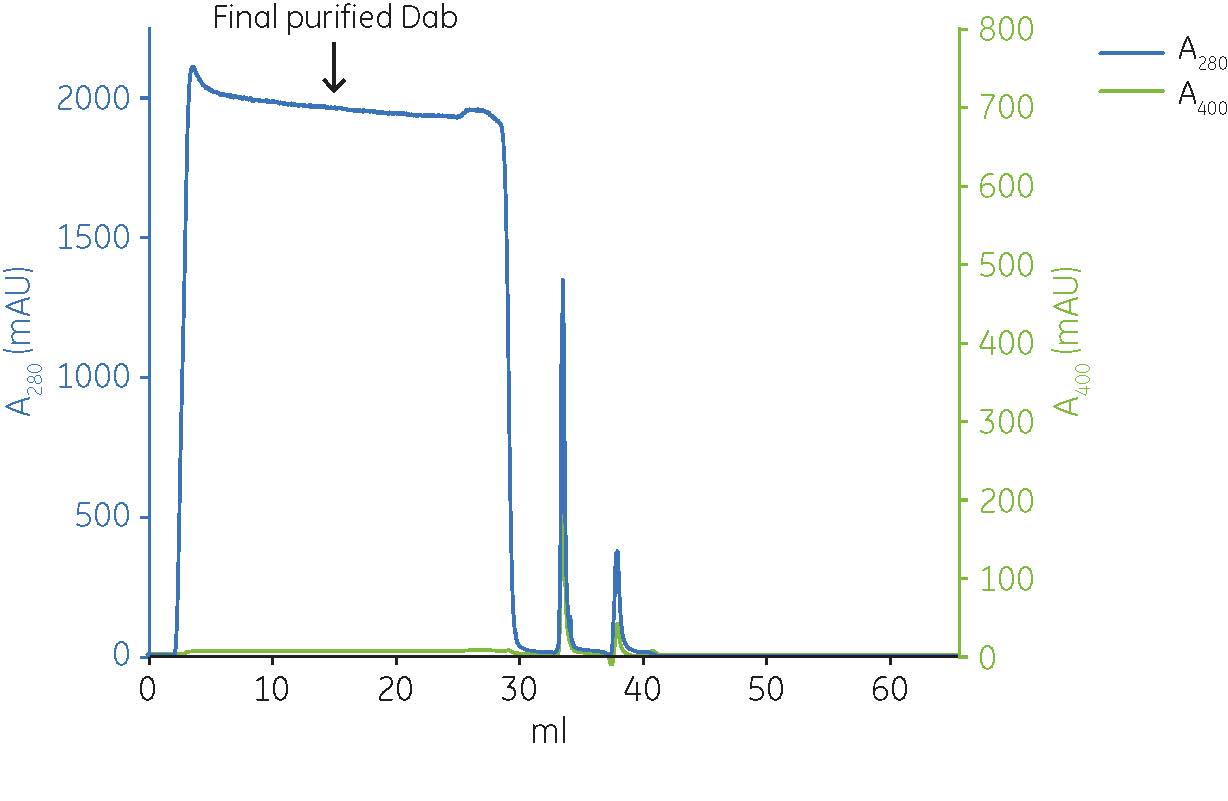
Fig 12. Chromatograms from the verification runs in the three-step process.
References
1 GE Healthcare Life Sciences. Capto L. Data file, 29-0100-08, AA, 2012.
2 GE Healthcare Life Sciences. A platform approach for the purification of antibody fragments (Fabs). Application note, 29-0320-66, AA, 2012.
Related Topics and Keywords
affinity chromatography, ÄKTAexplorer™, antibody fragments, biopharmaceutical, Capto chromatography media, Capto L, chromatography, chromatography media, chromatography medium, Dabs, domain antibodies, endotoxin, Fab, GE Healthcare Life Science, High-throughput Process Development, HiTrap™, hollow fiber filte, mAbs, manufacturing, microbial, monoclonal antibodies, protein L, purification process
Subscribe to our FREE newsletter and WEBINAR UPDATES
We will not sell or give your information to a third party. See our Privacy Policy